Foundation
Established as a platform for women and children to achieve their Constitutional rights.
Legislative Victory
Contributed significantly to the passage of The Child Labour (Prohibition and Regulation) Act, 1986.
Groundbreaking Study
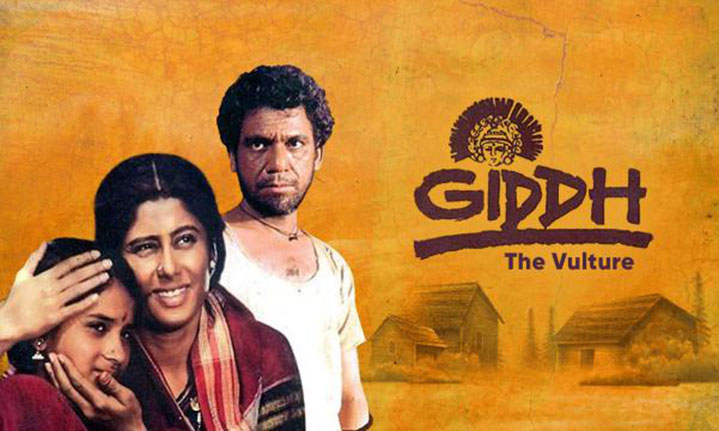
JWP conducted a study on the devadasi practice in Northern Karnataka, forming the basis of the award-winning film « Giddh. »
Passage of a Social Reform
JWP Played a pivotal role in the enactment of The Devadasi Prohibition of Dedication Act, 1984, combating child prostitution with religious sanctions.
Land Rights Advocacy
JWP Championed the demand for laws securing Land Rights for women in India.
Legal Reform
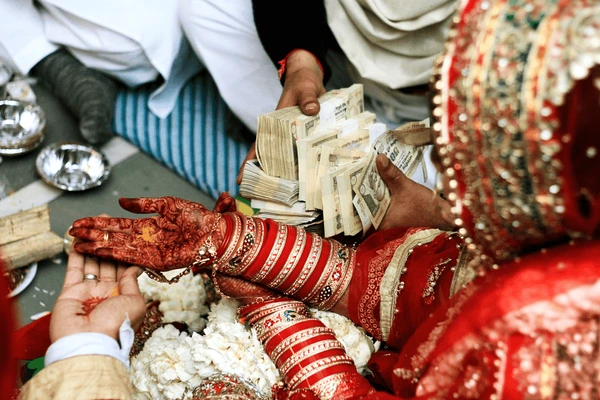
Contributed to the amendment of the Dowry Prohibition Act, 1961, in 1984 and 2018.
Education & Protection Centre
Set up a Child Protection and Education Centre for Children of Sex Workers in G.B. Road, Delhi
Advocacy for National Commission for Women
JWP, along with seven national Women’s organisations, demanded the setting up of a National Commission for Women. In Jan 1992, the NCW was established as the statutory body called the National Commission for Women.
Healthcare Advocacy
JWP was instrumental in the passage of the Pre-Conception & Pre-Natal Diagnostic Techniques Act, 1994.
Anti-Trafficking
JWP launched an Anti-Trafficking Networking Program in collaboration with organisations across India and neighbouring countries like Nepal and Bangladesh. The program aimed at rescuing and rehabilitating trafficking victims with sixteen trusted partners, including STOP, Prajwala, SANLAAP, and Shakti Vahini.
Legislative Advocacy
JWP Contributed to the framing of laws addressing rape and sexual abuse of women in India.
Equality in Divorce
JWP Successfully advocated for amendments to Section 10 of the Indian Divorce Act, 1869, ensuring equal divorce rights for Christian men and women.
Media Initiative
JWP led the ANWIC project with the National Commission for Women to address anti-women portrayals in media across South-East Asia through a dynamic campaign and impactful newsletter called « IMPACT ».
Domestic Violence Protection
JWP Contributed to the passage of The Protection of Women from Domestic Violence Act, 2005.
JWP’s Registration as a Society
JWP was duly registered under the Societies Registration Act, 1860 at Delhi
Child Marriage Prevention
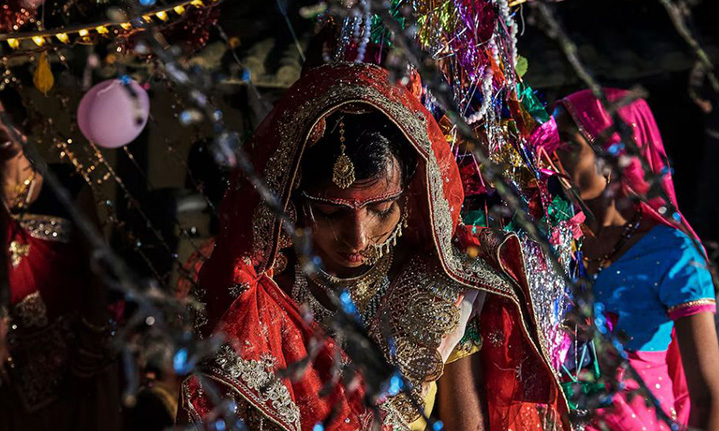
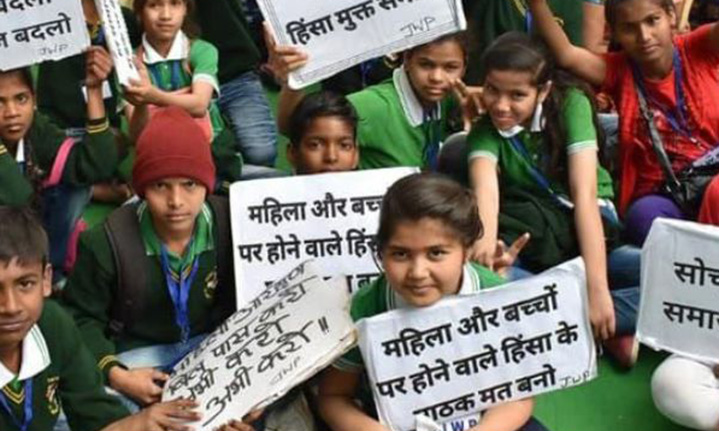
JWP Conducted impactful workshops on Child Marriage, leading to the enactment of The Prohibition of Child Marriage Act, 2006.
Community Outreach
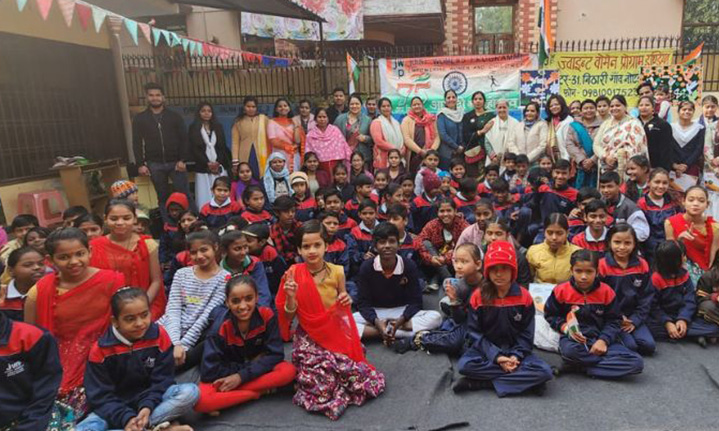
Building Community groups for protection, education, and empowerment of children and women in Nithari Village, Uttar Pradesh, through Mera Sahara Centres.
Mera Sahara in West Bengal
Established Mera Sahara centre in Halishahar (North 24 Parganas), West Bengal, supporting children near railway slums with education, nutrition, and protection.
JWP “Mera Sahara”in Delhi & Haryana
JWP replicated Mera Sahara centres in Okhla (Delhi) & Faridabad (Haryana), providing education, skill training, and protection to children and adolescent girls and women.
2012
JWP – Kausani District, Uttarakhand
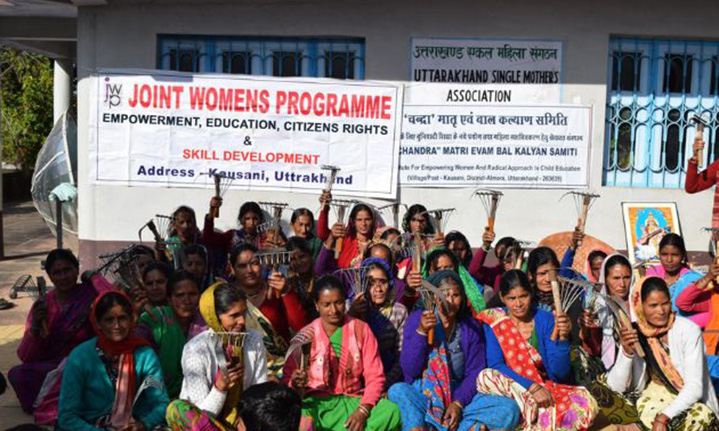
Partnered with local organisations in Kausani District, Uttarakhand, and established JWP projects that offers education for children and adolescents, adult education for women, skill training, environmental awareness, and promotes new methods of agriculture that are less labour intensive for women farmers.
COVID Care
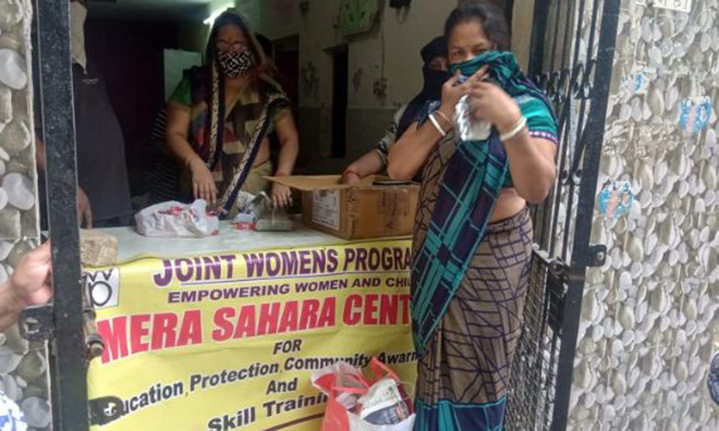
During the COVID-19 pandemic, JWP extended support to approximately 18,000 families. This assistance included essential supplies like medicines, groceries, masks, and sanitary essentials such as hand sanitizers, soaps, and sanitary pads. During these community outreach programs, we emphasised the importance of maintaining good hygiene and social distance.
Legislative Impact
JWP contributed to the strengthening and passage of the Code of Criminal Procedure (Amendment) Act, 2022, and the Indian Penal Code against sexual violence on women and children, including POSH (Prevention of Sexual Harassment) and POCSO (Protection of Children from Sexual Offences Act) 2012.
Women’s Reservation Act
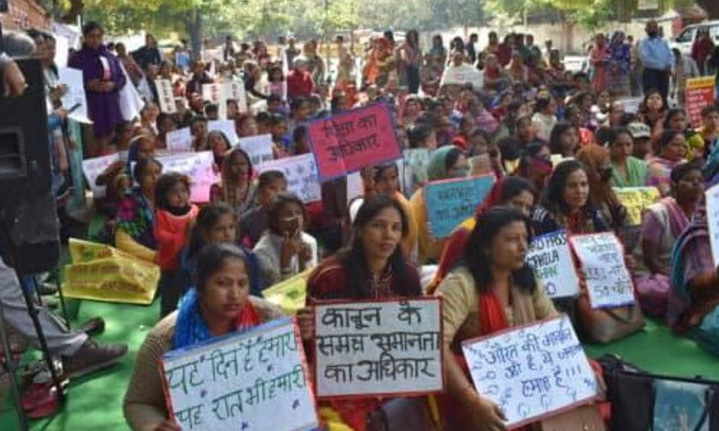
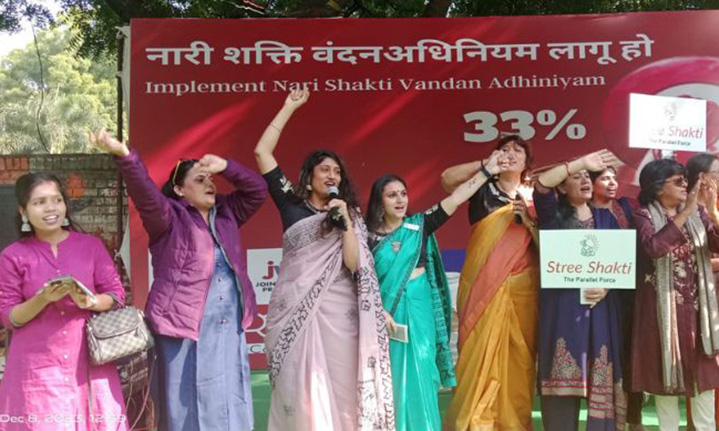
In September 2023, the Indian Parliament passed the Women’s Reservation Act. This was a historic victory propelled by the relentless efforts of JWP alongside the formidable coalition of the Seven Sister organisations and numerous other women’s rights-based groups. Their unwavering advocacy and steadfast determination were pivotal in ensuring the passage of this crucial legislation.
JWP « Mera Sahara » Projects
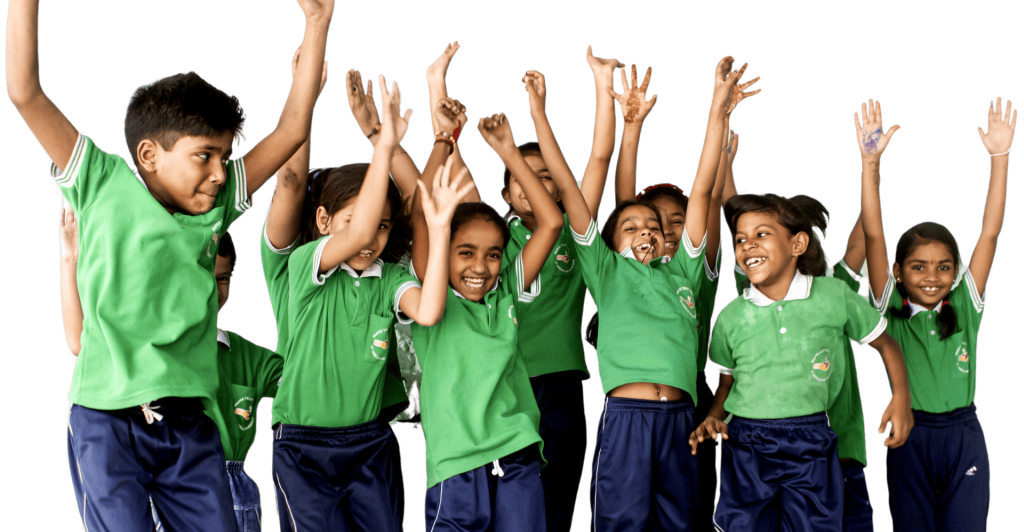
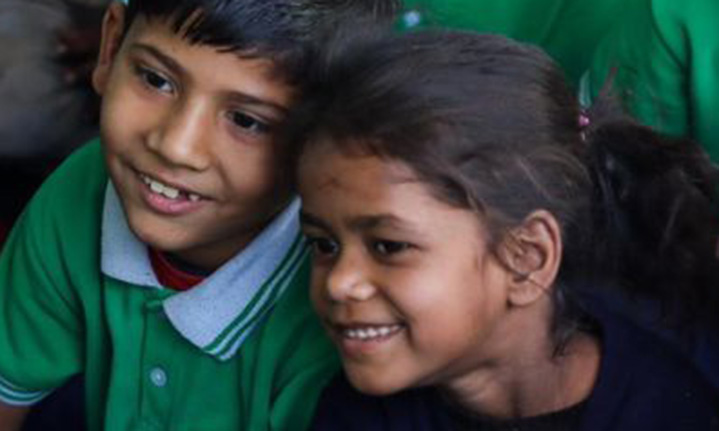
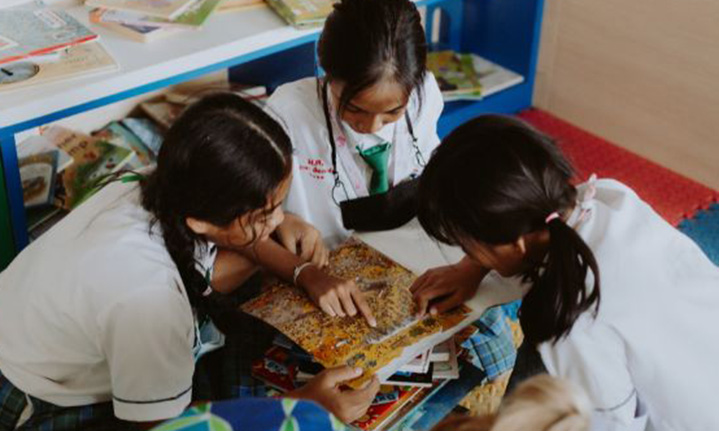
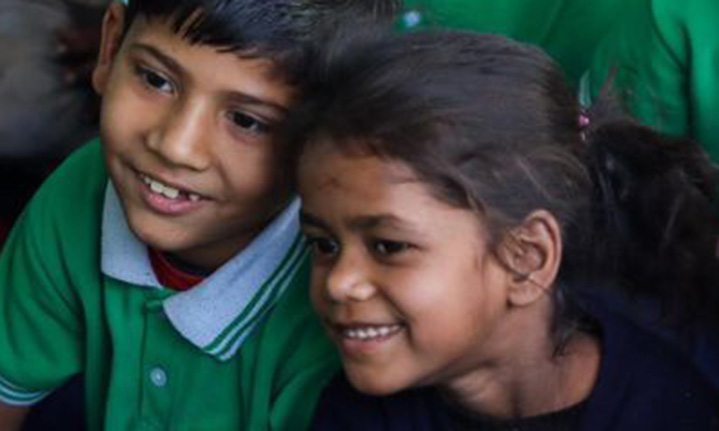
JWP “Mera Sahara” Projects are dedicated to the protection, education, skill- development and well being of children, adolescents and women in and around the community.
JWP has partnered with USHA Silai School to provide certified sewing courses for adolescents and women in the community.
JWP has also partnered with National Institute of Open Schooling (NIOS) and School of Open Learning (SOL) to facilitate a government approved syllabus and proper certification for the children ensuring a smooth transition back into mainstream schooling.
Tarini
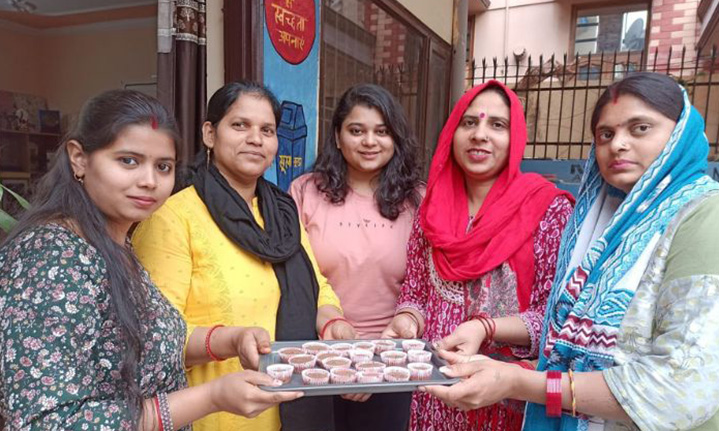
JWP inaugurated its first self-sustainable community project – “Tarini” Bakery and Confectionary in Nithari, Noida Uttar Pradesh. This pilot project aims to generate funds through the sale of handmade items such as cakes, cookies and chocolates, to sustain itself as well as other JWP community programmes and projects while creating job opportunities for the women from the community. Currently, women from Nithari village have been appointed as trainees and are undergoing comprehensive training that they get remunerated for as well.